SEO traffic is falling and patients are searching in more places than ever. It’s tempting to write SEO off. But we’ve seen this story before, and the businesses that walked away from the original channel didn’t win.
Every few months another headline declares SEO dead. If you’ve looked at your own analytics lately, you might be inclined to agree: fewer website visits from Google, fewer enquiries from organic search, and a nagging sense that the money is better spent somewhere else. Before you pull the plug, it’s worth looking at what’s actually happening, and at a time when businesses faced exactly the same choice.
- SEO traffic and conversions are falling because patients now find answers in AI Overviews, Google Maps, AI tools and social media, often without clicking through.
- Practices now need several channels to reach the same number of patients: SEO, GEO, AI, social media and Google Ads.
- It’s the Yellow Pages and Blue Pages all over again. Running both cost more, but businesses that dropped one lost market share.
- In our experience, around 70 to 80 percent of the signals that drive strong GEO come from SEO foundations.
- SEO isn’t dead. It has evolved, and practices need to pivot their strategy rather than abandon it.
Is SEO dead in 2027?
SEO is not dead in 2027. It has changed, not died. Patients still search Google, check Google Maps and read reviews, and the same SEO foundations that earn those rankings are what AI tools rely on when they recommend a healthcare practice.
The question keeps coming up because the old measures of success are slipping. Rankings that used to deliver a steady stream of clicks now deliver fewer. That feels like failure. In reality, the way patients search has split into several paths, and SEO now feeds more of them than it used to.
Why are SEO traffic and conversions falling?
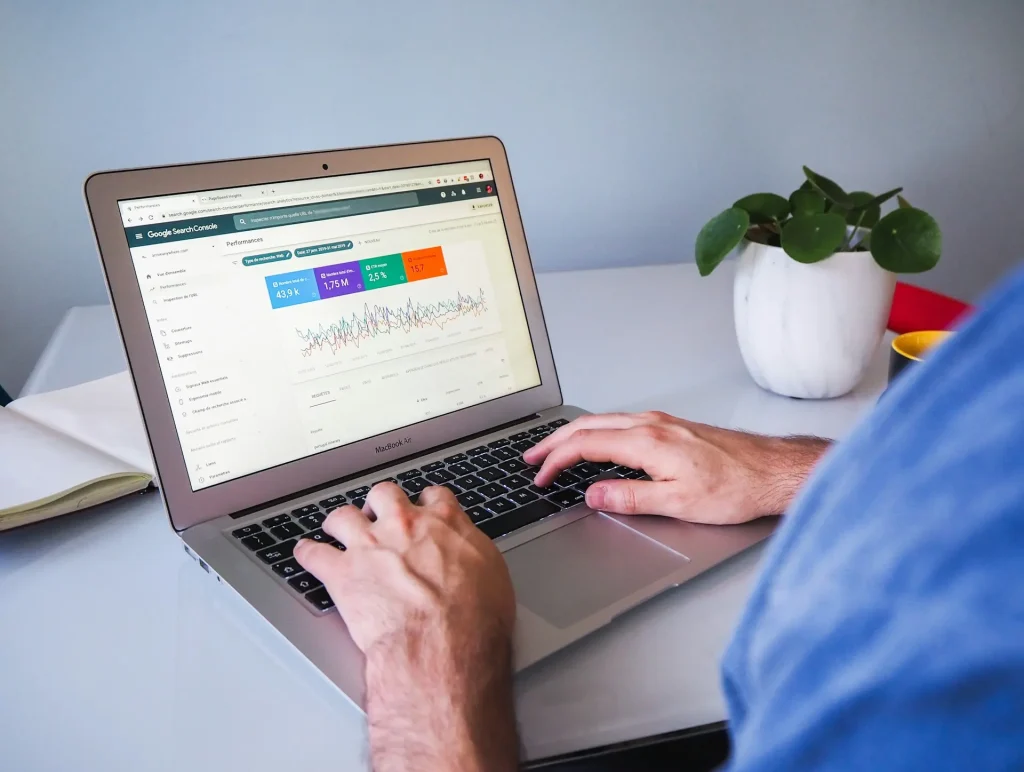
SEO traffic and conversions are falling because more searches now end before anyone visits a website. Patients get answers in Google AI Overviews, compare practices in the Google Maps pack, ask ChatGPT for recommendations or discover practices on social media.
A few years ago, a patient with heel pain would type a search, scan ten blue links and click two or three practice websites. Today that same patient might:
- Read a Google AI Overview that explains the likely causes and names a few local practices.
- Tap straight into Google Maps, compare star ratings and call from the listing.
- Ask ChatGPT or Gemini, “Who’s a good podiatrist near me for heel pain?”
- Remember a practice they saw on Instagram last month.
- Click a Google Ad because it appeared first.
In most of those paths, your website never records a visit, even if your practice was seen, considered and chosen. So traffic drops, organic conversions look weaker, and SEO gets the blame. The real shift isn’t that patients stopped searching. It’s that they stopped searching in one place.

The dilemma: more channels to reach the same patients
Healthcare practices still need a steady flow of new patients to survive, but reaching the same number of patients in 2027 means showing up across SEO, GEO, AI tools, social media and Google Ads. That costs more and takes more coordination than relying on one channel.
This is the part that frustrates practice owners most. The goal hasn’t changed. You still need new patients walking through the door every week to keep your books full and your practice viable. What has changed is the effort required to reach them.
Where one channel used to do most of the work, you’re now expected to manage five or six. Each has its own rules, costs and reporting. It’s natural to want to cut one to make room for the others, and SEO, with its falling traffic, looks like the obvious candidate.
We’ve been here before.
What the Yellow Pages can teach us
Think back to the late 1990s. If you ran a local business in Australia, marketing largely meant one thing: your ad in the Yellow Pages. Every household had a copy. When people needed a plumber, a dentist or a physio, they reached for the book. Everyone advertised in it, and the size of your ad often decided who got the call.
Then the Blue Pages came along. At first it was small and cheap, and plenty of businesses dismissed it. Why pay for a second directory when the Yellow Pages already worked?
But it gained traction. More households started using it, and some customers began looking there first. Businesses were left with an uncomfortable choice: pay for both directories to reach the same number of people, or stick with one and watch competitors pick up the customers they were missing.
- 1
Late 1990sThe Yellow PagesOne book on every kitchen bench. If you were a local business, you advertised in it.
- 2
ThenA new directory arrivesThe Blue Pages launch. Small, cheap and easy to ignore.
- 3
A few years onIt gains tractionMore households start using it. Some customers now look there first.
- 4
The resultTwo books, same customersBusinesses pay for both. It costs more, but skipping one means losing market share.
The businesses that did best didn’t choose. They accepted that the market had split and paid to be present in both. It cost more. But the alternative was handing a share of their customers to someone else.
Sure, it costs more. But if you don’t show up where your customers look, someone else will.
The same story, digital edition
Like businesses that had to advertise in both the Yellow Pages and a second directory in the 1990s, healthcare practices now need several digital channels. Google search, Google Maps, AI tools, social media and Google Ads each reach part of a practice’s patients, and dropping one hands those patients to competitors.
Swap the phone books for screens and the pattern is identical. Patients have spread across more places, and a practice that only shows up in one of them is invisible to everyone looking elsewhere.
| Late 1990s | 2027 | |
|---|---|---|
| Where customers looked | One directory | Google search, Maps, AI tools, ads, social |
| What it took to be found | One listing | SEO, GEO, Google Business Profile, Google Ads, social |
| Cost of reaching the same people | Rose with each new book | Rises with each new channel |
| Risk of opting out | Lost market share | Lost patients to practices that show up |
There’s one important difference. The Yellow Pages and Blue Pages were separate books. Today’s channels are connected. What you do in one directly affects how you perform in the others, and SEO sits at the centre of that web.
Why dropping SEO weakens your GEO
In practiceedge’s experience, around 70 to 80 percent of the signals that drive strong GEO (Generative Engine Optimisation) come from SEO work. AI tools lean on the same website content, listings, reviews and authority that search engines use, so dropping SEO weakens GEO.
Generative Engine Optimisation (GEO) is about getting AI tools such as ChatGPT, Gemini, Perplexity and Google AI Overviews to understand, trust and recommend your practice. It’s often pitched as a replacement for SEO. It isn’t. AI tools don’t invent their knowledge of your practice. They draw it from the web, and the signals they rely on are mostly the ones good SEO has always built.

Every item on that list is core SEO work. Neglect it and you don’t just lose Google rankings. You lose most of what makes an AI tool confident enough to name your practice. Cutting SEO to fund GEO is like skipping the foundations to pay for a second storey.
SEO is definitely not dead. It has changed and evolved. The practices that win in 2027 will treat it as the foundation every other channel stands on.
How to pivot your SEO strategy for 2027
To pivot their SEO strategy for 2027, healthcare practices should shift from chasing keywords and traffic to answering patient questions, building practitioner expertise, strengthening local signals and measuring bookings and AI visibility.
A pivot doesn’t mean starting again. It means keeping what works and redirecting effort toward what search engines and AI tools now reward.
From keywords to questions
Patients ask full questions now. Build pages that answer them clearly in the first few lines, then go deeper.
From traffic to bookings and visibility
Fewer clicks doesn’t mean fewer patients. Track calls, forms, bookings and how often AI tools mention you, not sessions alone.
From pages to people
Give each practitioner a proper profile with qualifications, interests and the conditions they treat. Search engines and AI tools both reward real expertise.
From rankings to recommendations
Ranking still matters, but so does being the practice an AI answer names. Consistent listings, reviews and structured data help with both.
From generic to local
Most patients want care close to home. Strengthen your Google Business Profile and create content specific to the suburbs you serve.
From set-and-forget to ongoing
Search changes monthly. Review content, listings and reporting regularly instead of once every few years.
Not sure where your site stands? Our free AI Website Scan shows whether AI tools can find and understand your practice, and where the gaps are.
Where SEO fits in a multi-channel plan
SEO doesn’t work in isolation, and neither does any other channel. At practiceedge we use PACER, a five-stage patient lifecycle model, to make sure each channel has a clear job. SEO and GEO sit in Attraction, but they depend on strong Positioning (your brand, site structure and content) and only pay off when Conversion turns visibility into booked appointments.
For the full checklist, read The 2027 healthcare marketing checklist: why one channel is never enough.
Frequently asked questions
Is SEO dead in 2027?
No. SEO has changed, not died. Patients still search Google, check Google Maps and read reviews, and the same SEO foundations that earn those rankings are the signals AI tools use when they recommend a practice.
Why is my SEO traffic dropping?
Many searches are now answered before anyone clicks: in AI Overviews, in the Google Maps pack or inside AI tools such as ChatGPT. Patients still see your practice, but fewer of them visit your website to get there. Traffic falling does not always mean visibility is falling.
What is the difference between SEO and GEO?
SEO helps your practice rank in search engines such as Google. GEO (Generative Engine Optimisation) helps AI tools such as ChatGPT, Gemini, Perplexity and Google AI Overviews understand, trust and recommend your practice. GEO depends heavily on SEO foundations.
Can a practice skip SEO and focus only on GEO?
Not effectively. In our experience, around 70 to 80 percent of the signals that drive strong GEO come from SEO work: a crawlable, well-structured website, clear service content, an accurate Google Business Profile, consistent listings, reviews and authority.
Which marketing channels does a healthcare practice need in 2027?
Most practices need a coordinated mix of SEO, GEO, Google Business Profile, Google Ads and social media, all leading to a website that converts. The right mix depends on your services, location and competition.
How should a practice change its SEO strategy for 2027?
Write content that answers real patient questions, build authority around each practitioner and service, keep local listings consistent, add structured data, and measure enquiries, bookings and AI visibility rather than traffic alone.
Ready to pivot your SEO strategy?
In a free strategy call, we’ll review how your practice shows up across Google, Maps and AI tools, and show you where SEO can do more of the heavy lifting.